
Yamunotri Tour Guide
Yamunotri, the sacred source of the Yamuna River and the first stop on the Chardham Yatra, beckons pilgrims with its spiritual aura and stunning Himalayan vistas. Perched at 3,293 meters in Uttarkashi district, Uttarakhand, this dham offers a blend of devotion, trekking adventure, and natural hot springs. Whether you're seeking moksha or serene beauty, our guide covers everything for your transformative journey.
📜 History and Mythology of Yamunotri
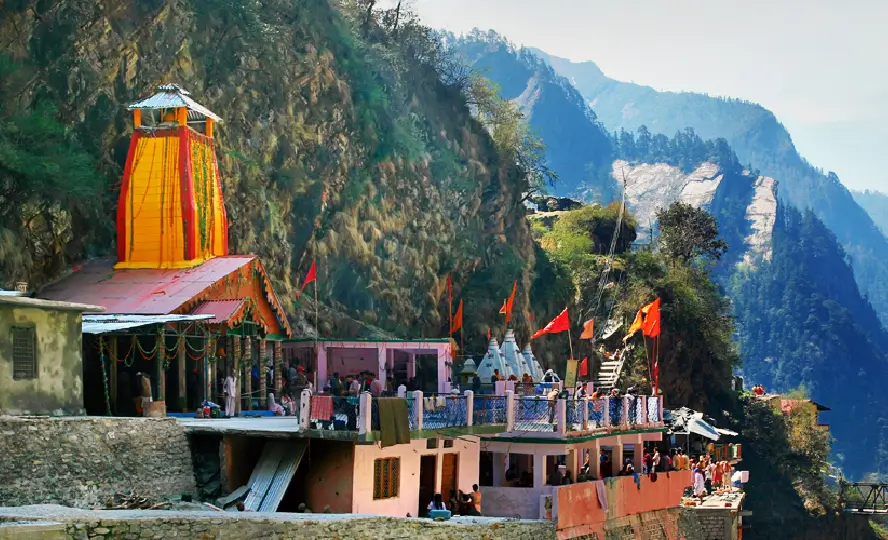
Yamunotri holds profound historical and mythological significance in Hindu tradition, revered as the origin of the Yamuna River and a key site in the Char Dham Yatra. The temple, dedicated to Goddess Yamuna, was originally built in the 19th century by Maharaja Pratap Shah of Tehri Garhwal and later reconstructed after earthquake damage. According to mythology, Yamuna is the daughter of Surya (Sun God) and sister of Yama (God of Death). Bathing in her waters is believed to cleanse sins and protect from untimely death. Legends tell of Sage Asit Muni's hermitage here, where he bathed in both Ganga and Yamuna daily. As he aged, Ganga flowed to him, but Yamuna's presence remained sacred. The site features thermal springs like Surya Kund (90°C), where pilgrims cook rice as prasad. This blend of history and myth makes Yamunotri a symbol of purity and devotion, drawing thousands annually for spiritual renewal.
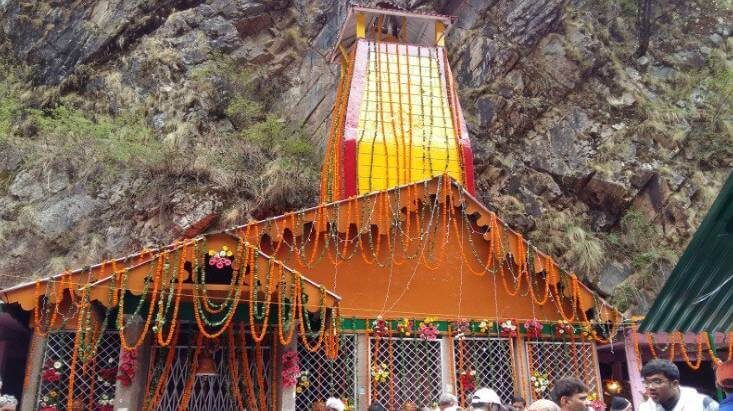
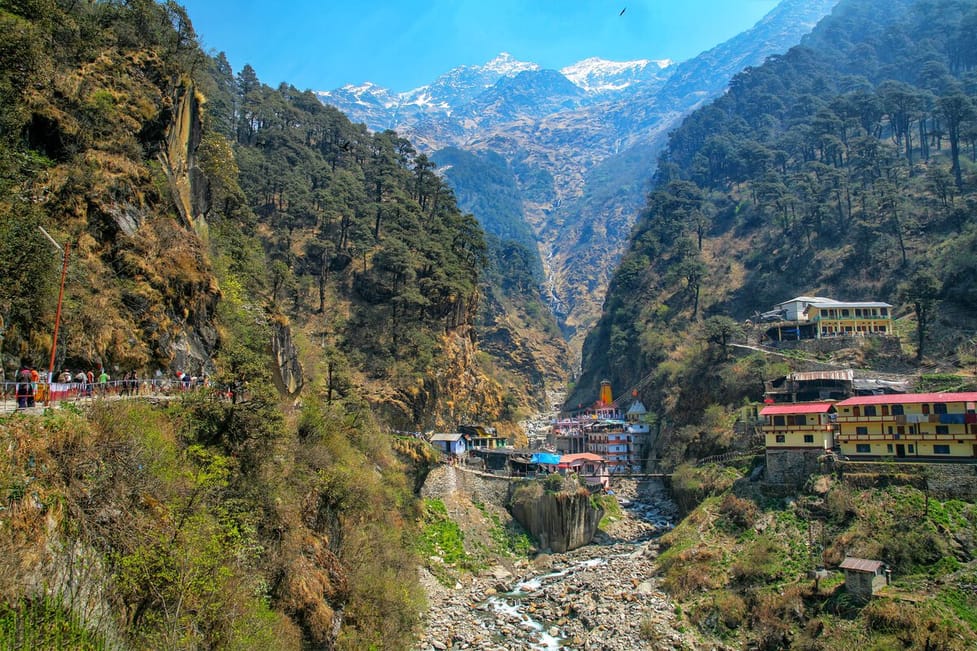
The temple's architecture, made of granite, features a black marble idol of Goddess Yamuna alongside Ganga. Historical records mention its reconstruction in 1919 by Maharani Gularia of Jaipur after flood damage. Mythologically, Yamuna descended to Earth to aid humanity, her river nurturing life across northern India. In the Ramayana, Lord Rama's brother Bharata performed penance here. These tales underscore Yamunotri's role in Hindu cosmology, representing life's flow and spiritual liberation. Today, it stands as a testament to enduring faith, blending ancient lore with modern pilgrimage practices.
🗺️ How to Reach Yamunotri
- By Air: Fly to Jolly Grant Airport, Dehradun (178 km away). From there, hire a taxi or take a bus to Janki Chatti, the trek base.
- By Train: Reach Dehradun or Rishikesh railway stations, then proceed by road (about 220 km from Dehradun).
- By Road: Drive from Haridwar/Rishikesh via Barkot to Hanuman Chatti (213 km), then to Janki Chatti (7 km). The final 6 km is a moderate trek.
- Helicopter Option: Services from Dehradun to Janki Chatti, followed by the trek.
- Trek Details: 6 km one-way from Janki Chatti, taking 3-4 hours. Ponies, palanquins available for assistance.
The road journey offers stunning views of the Bandarpunch peak and Doon Valley. Register online for e-pass at the official Uttarakhand tourism portal. During monsoon, check for landslides. Shared taxis and GMOU buses are budget-friendly options from major towns.
📅 Best Time to Visit Yamunotri
The temple opens on Akshaya Tritiya (May) and closes on Yama Dwitiya (November). Ideal periods are May-June (pleasant weather, 10-20°C days) and September-October (post-monsoon clarity, 5-15°C). Avoid July-August due to heavy rains and risks. Winters bring snow, closing routes—perfect for adventure seekers but not pilgrimage.
Summer crowds peak during opening weeks; book in advance. Autumn offers golden foliage and fewer pilgrims. Always check weather forecasts for high-altitude changes.
🛣️ Yamunotri Tour Itinerary
- Day 1: Arrival in Dehradun/Haridwar – Transfer to Barkot (220 km, 7-8 hrs). Overnight stay.
- Day 2: Barkot to Yamunotri – Drive to Janki Chatti (45 km), trek 6 km to temple. Visit Surya Kund, perform puja. Return to Barkot.
- Day 3: Extension Options – Combine with Gangotri or full Chardham. Explore nearby Kharsali village.

This 3-day itinerary can be customized for helicopter tours (1 day) or extended Chardham (9-12 days). Costs range from ₹5,000-15,000 per person for basic packages, excluding airfare.
Yamunotri tours emphasize spiritual rituals like cooking prasad in hot springs and bathing in Yamuna waters. Group tours offer shared experiences, while luxury options include guided treks and comfortable stays. Always acclimatize to altitude to avoid AMS.
🧳 Packing List and Essential Tips
- Warm clothing: Woolens, jackets, gloves—even summers are chilly at night.
- Trekking gear: Sturdy shoes, raincoat, backpack, walking stick.
- Health essentials: Medicines for altitude sickness, first-aid kit, sunscreen, lip balm.
- Documents: ID proof, e-pass, medical certificate if required.
- Others: Torch, power bank, reusable water bottle, snacks.
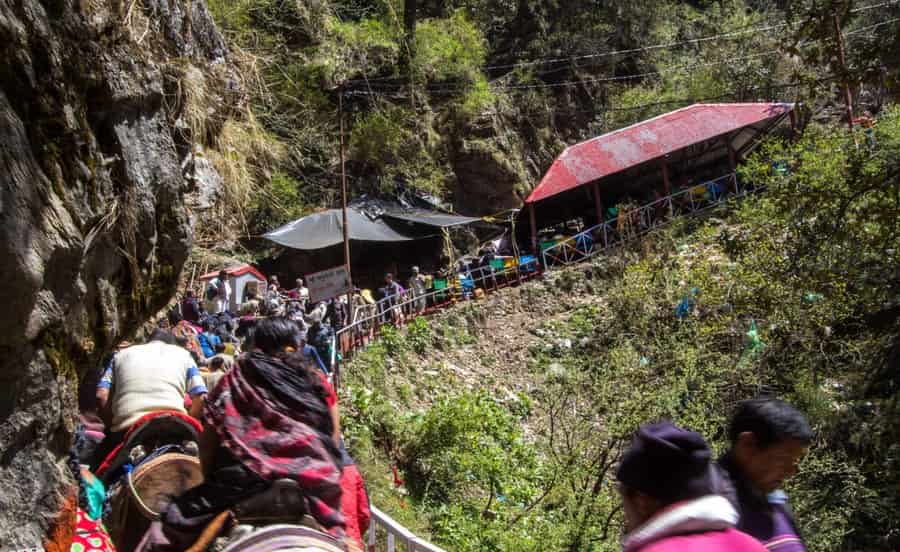
Tips: Stay hydrated, trek slowly, respect eco-sensitive zone—no plastics. Hire porters for heavy loads. Vegetarian food is available; try local pahadi cuisine.
✅ Do’s & Don’ts for Yamunotri Tour
- Do’s: Register online, follow trek etiquette, offer prayers respectfully, conserve water.
- Don’ts: Litter, wear shoes inside temple, trek alone at night, ignore weather warnings.
Embrace the pilgrimage spirit—Yamunotri rewards the devoted with inner peace amid nature's grandeur.